THE DIVINE FAMILY OF GOD

For this reason, I kneel before the Father, from whom every family in heaven and on earth is named, that he may grant you in accord with the riches of his glory to be strengthened with power through his Spirit in the inner self, and that Christ may dwell in your hearts through faith; that you, rooted and grounded in love,
Ephesians 3, 14-15
The passage from Ephesians 3:14-15 underscores several key themes that resonate deeply with the Catholic doctrine of the Communion of Saints. In this excerpt, the Apostle Paul emphasizes the importance of familial bonds within the Christian faith, referring to God as “the Father, from whom every family in heaven and on earth is named.” This notion highlights the interconnectedness of all believers—both the living and the departed—because, in Catholic teaching, the Communion of Saints represents the unity of the faithful across different realms of existence. By acknowledging God as the source of all families, the verse invites reflection on the idea that as members of His divine family, saints and believers share a profound spiritual connection. This passage not only reinforces the significance of community and support among the faithful but also reflects the belief that those who have passed on continue to play an active role in interceding for the living, further enriching the understanding of communion within the Church.
The reference to kneeling before the Father highlights the profound, intimate relationship between God and His creation. In Catholic teaching, this act of reverence signifies a deep acknowledgment of God’s authority and love. It emphasizes that every family, both in heaven and on earth, is united under the fatherhood of God. This concept illustrates a universal connection among all believers—those who are living, those who have passed away, and even those yet to come—suggesting they are all part of one divine family. This familial bond is central to the Catholic faith, reinforcing the notion that through God’s fatherhood, believers share not only a spiritual heritage but also a collective responsibility to support and uplift one another in faith. This unity under God invites a deeper sense of belonging within the Church, fostering a community that transcends time and earthly boundaries.
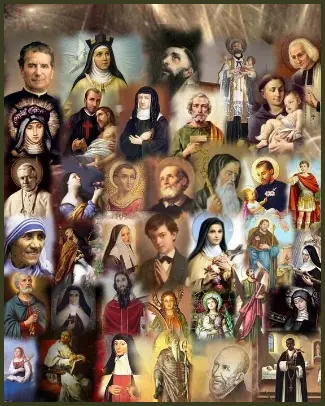
The prayer for strength through the Holy Spirit emphasizes the profound belief in the Holy Spirit's active and dynamic role in the life of the Church. Catholics hold that all baptized individuals, whether they currently reside in heaven as saints or live on earth as the faithful, are intricately interconnected through the continuous presence of the Holy Spirit. This spiritual bond is a vital expression of communion within the Church, where the grace, wisdom, and strength bestowed by the Spirit flow abundantly among all members—creating a unified body of believers. This belief underscores not only the unity of the Church but also the collective responsibility of its members to support one another through prayer, fellowship, and acts of charity, fostering a deeper sense of community and shared mission. Ultimately, the prayer reflects a commitment to seeking divine assistance, encouraging believers to rely on the Holy Spirit for guidance and empowerment in their daily lives and spiritual journeys.
The mention of Christ dwelling in our hearts through faith captures a core aspect of Catholic theology, which emphasizes the profound relationship that believers forge with Christ. This intimate presence is viewed as a transformative experience that not only nurtures personal spirituality but also fosters a profound sense of unity among individuals within the Body of Christ. This unity extends beyond the earthly realm to encompass the Communion of Saints, a belief held by Catholics that signifies the interconnectedness of all believers—both living and deceased. In this framework, the faithful are encouraged to seek strength and inspiration from the lives of saints—individuals who have exemplified virtuous living and unwavering faith throughout history. Saints serve as models of holiness, and their stories resonate with struggles and triumphs, offering believers relatable examples of perseverance. Ultimately, this relationship with Christ and the saints fosters a supportive community that uplifts and empowers believers on their spiritual journeys.
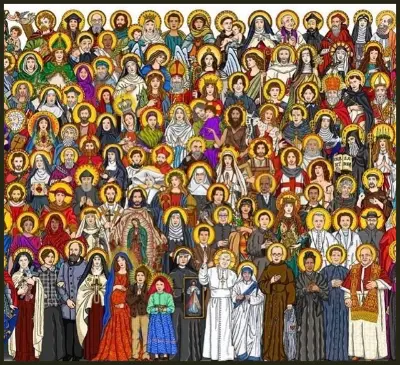
Love is the central tenet of the Christian life, serving as the foundation for all actions and beliefs. Being rooted in love means that every action taken in the name of faith must be steeped in charity and compassion, reflecting the teachings of Jesus Christ. The Communion of Saints is a profound expression of this love, where the saints—those who have led exemplary lives of faith—intercede on behalf of the living, offering prayers and support. In return, the faithful on earth lift their prayers for the souls in purgatory, seeking to assist them on their journey to divine union. This reciprocal relationship underscores the Church's interconnectedness, demonstrating how love transcends time and space, uniting believers in a shared mission of faith, hope, and charity across generations. Ultimately, this weaving of prayers and intercessions demonstrates that love is not just an ideal but a dynamic force that nourishes the spiritual life of the Church and its members.
The text highlights the profound concept that, despite physical separation by death, all members of the Church—those in heaven and those on earth—are intricately united through their shared faith in Jesus Christ. This unity is a core tenet of the Catholic doctrine of the Communion of Saints, which teaches that the body of Christ encompasses not only the living but also the departed saints who reside in heaven. The doctrine emphasizes that this spiritual connection transcends earthly existence; saints in heaven are believed to intercede for the faithful on earth, actively participating in prayers and offering support in the spiritual lives of those who still journey through life. This relationship fosters a sense of community and belonging that extends beyond mortal bounds, encouraging believers to seek the guidance of the saints and to assist one another, bridging the gap between the temporal and the eternal. This understanding enriches the Church's spiritual experience, reinforcing the idea that all are part of one holy family, united in love and faith.
In essence, Ephesians 3:14-15 aligns closely with the Catholic doctrine of the Communion of Saints by illustrating how believers are unified as one family under God’s fatherhood, strengthened by the Holy Spirit, and called to love one another, thereby fostering a harmonious relationship among all members of the Church, both living and deceased, in mutual faith and charity.
PAX VOBISCUM